

Is Cassava Flour Healthy or Not? The Truth You Need to Know
Cassava flour has exploded in popularity over the past few years, especially among people looking for gluten-free, grain-free, and paleo-friendly alternatives. But the real question most shoppers ask is: is cassava flour actually healthy?
At Yado African Market, we carry premium cassava flour sourced directly from West African traditions — and we want to give you an honest, complete answer.
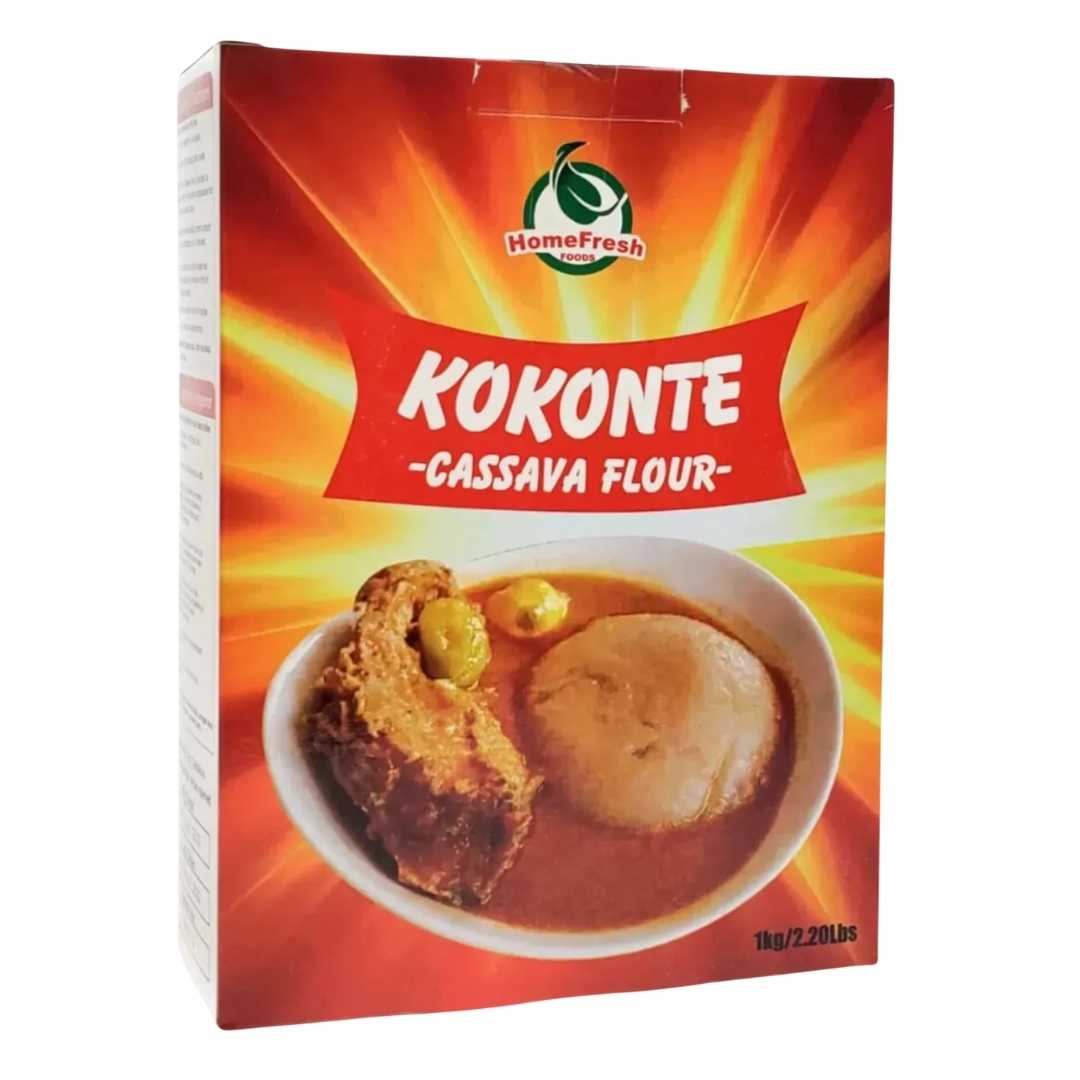
What Is Cassava Flour?
Cassava flour is made from the whole cassava root (also known as yuca or manioc), which is peeled, dried, and ground into a fine powder. It is one of the most widely consumed staple foods across Africa, South America, and the Caribbean — and for good reason.
Unlike tapioca starch (which is also derived from cassava), cassava flour uses the entire root, making it a much more nutritionally complete product.
Nutritional Profile of Cassava Flour
A 1/4 cup (35g) serving of cassava flour typically contains:
- Calories: 120–130
- Carbohydrates: 28–30g
- Fiber: 2g
- Protein: 1g
- Fat: 0g
- Vitamin C: 1.8g
- Sugar: 1.2g
- Folate: Present in modest amounts
- Resistant starch: Yes — more on this below
The Health Benefits of Cassava Flour
1. Naturally Gluten-Free
Cassava flour is 100% gluten-free, making it an excellent choice for people with celiac disease, gluten sensitivity, or anyone reducing gluten intake. It behaves more like wheat flour than most other gluten-free alternatives, making it easier to cook and bake with.
2. Grain-Free and Nut-Free
Unlike almond or oat flour, cassava flour is both grain-free and nut-free — two major allergen categories. This makes it one of the most inclusive flours available for people with multiple dietary restrictions.
3. Contains Resistant Starch
Cassava flour contains a notable amount of resistant starch, a type of carbohydrate that resists digestion in the small intestine. Resistant starch acts as a prebiotic, feeding beneficial gut bacteria and supporting digestive health.
4. Supports Energy Levels
As a rich source of complex carbohydrates, cassava flour provides sustained energy — which is why it has been a dietary staple for millions of people across Africa and Latin America for centuries.
5. Versatile in African and Global Cooking
In West African cuisine, cassava flour is used to make fufu, eba (garri-based dishes), and a wide variety of flatbreads and porridges. Its mild flavor and fine texture make it incredibly adaptable.
The Drawbacks: Is Cassava Flour Unhealthy?
Cassava flour is not without its limitations:
- High in carbohydrates: It is not ideal for very low-carb or ketogenic diets.
- Low in protein: On its own, cassava flour won't contribute much protein to your diet.
- Raw cassava contains cyanogenic compounds: However, properly processed and commercially sold cassava flour (like what we carry at Yado African Market) undergoes drying and processing that eliminates this concern entirely.
- Calorie-dense: Portion awareness matters, especially if you're managing weight.
The Verdict: Is Cassava Flour Healthy?
Yes — when consumed in moderation and as part of a balanced diet, cassava flour is a healthy, nutritious, and highly versatile flour. It shines as a gluten-free, nut-free, grain-free option that holds up beautifully in baking and traditional cooking.
At Yado African Market, we stock high-quality cassava flour perfect for everything from fufu to gluten-free pancakes. Stop by or shop online to pick up yours today.