

What Is Fufu? What It's Made Of, How to Make It & How to Eat It
Fufu is the soft, stretchy dough at the heart of West and Central African meals. You tear off a piece with your fingers, roll it into a small ball, dip it into a rich soup like egusi or light soup, and swallow. Here's what fufu is made of, the different types, how to make it at home in 10 minutes, and how to eat it the traditional way.
Quick answer: fufu is a smooth, dough-like "swallow" food eaten with soup across West and Central Africa. Traditionally it's made by boiling and pounding starchy foods like cassava, plantain, cocoyam or yam. Today most people make it in minutes from fufu flour and hot water.
Ready in
10 min
Serves
2 to 3
Main ingredient
Fufu flour
What is fufu made of?
Fufu is made from starchy root vegetables or plantains. In Ghana, classic fufu is pounded cassava and green plantain. In Nigeria, "fufu" often means fermented cassava fufu (akpu), while pounded yam is its own famous swallow. In Cameroon and Côte d'Ivoire, cocoyam, plantain and cassava are all used. The flavor is mild, so the soup is the star.
Types of fufu
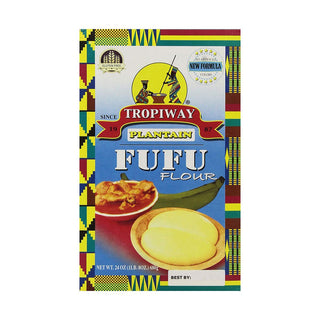
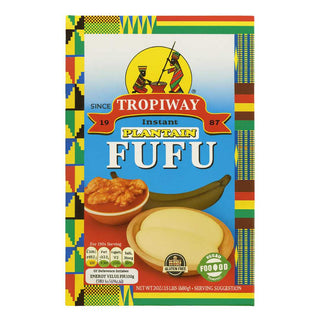
 Plantain fufuMade from green plantain flour, often mixed with cassava. Soft, slightly sweet and easy to make.Shop it →
 Cocoyam fufuMade from cocoyam (taro). Very smooth and stretchy, a favorite in Ghana and Cameroon.Shop it →
 Cassava fufuMade from fermented cassava. Slightly tangy; in Nigeria it's called akpu or loi loi.Shop it →
 Pounded yam (iyan)Made from yam. Fluffy and rich, the Yoruba classic with egusi.Shop it →
 Oat fufuA modern whole grain fufu with more fiber, made from oat flour.Shop it →
 Fufu mixPlantain and cassava blends: the easiest everyday fufu.Shop it →
Step-by-step guides: How to make plantain fufu · How to make cocoyam fufu · How to make oat fufu
How to make fufu from flour (the easy way)
You'll need
- 1 cup fufu flour (plantain, cocoyam, pounded yam or a fufu mix)
- About 1 1/2 cups water (check your package)
- A sturdy wooden spoon or spatula
- Mix cold. In a pot, stir the flour into about 1 cup of cold water until smooth with no lumps.
- Heat and stir. Put the pot on medium heat and stir constantly. It will thicken quickly.
- Turn and fold. Keep folding and pressing the dough against the side of the pot for 5 to 8 minutes, adding a splash of hot water if it's too stiff.
- Check the texture. It's ready when it's smooth, stretchy and slightly shiny, with no raw flour taste.
- Shape. Wet a bowl or plastic wrap, scoop in the fufu and roll it into smooth balls. Wrap to keep warm.
Tip: keep a bowl of water nearby and wet your spoon and hands. It stops the fufu from sticking and makes shaping much easier.
Traditional pounded fufu
In Ghana and across the region, fufu is traditionally made by boiling peeled cassava and green plantain, then pounding them in a large wooden mortar (waduro) with a long pestle (woma). One person pounds while another turns the dough with wet hands, a rhythm that takes real skill. It's hard work but gives the lightest, stretchiest fufu. If you have a fufu machine or a strong blender, you can blend boiled cassava and plantain with a little water, then stir it over heat until smooth.
How to eat fufu
- Wash your hands. Fufu is traditionally eaten with the right hand.
- Pinch off a small piece of fufu with your fingers.
- Roll it into a small ball and press a dent in it with your thumb.
- Scoop up some soup with the dent.
- Swallow it without chewing. That's why fufu is called a "swallow."
Our full guide to fufu and egusi covers etiquette and pairings in more detail.
What to eat with fufu
- Egusi soup: the Nigerian favorite. Get the recipe.
- Light soup: Ghana's spicy tomato and goat or fish soup.
- Palm nut soup (abenkwan): rich and red, often with crab or fish.
- Groundnut soup (nkatenkwan): creamy peanut soup with chicken.
- Pepper soup: light and fiery. Get the recipe.
- Ogbono and okra soups: the "draw" soups loved in Nigeria.
Is fufu healthy?
Fufu is mostly carbohydrate, which gives you energy, but it's low in protein and fat. That's why it's always eaten with protein-rich soups full of fish, meat, beans or seeds and leafy greens. Portion size matters: one fufu ball about the size of a fist is a typical serving. If you want more fiber, try oat fufu.
Cassava naturally contains compounds that can release cyanide, so it must be properly processed. Traditional soaking, fermenting and drying, the way fufu and garri flours are made, reduce these to safe levels.1,2 Never eat raw cassava, and buy fufu flour from trusted brands.
Shop fufu at Yado Market
 Golden Tropics Plantain FufuPlantain →
 Tropiway Cocoyam FufuCocoyam →
 Ola Ola Pounded YamPounded yam →
 Mama's Choice Fufu MixEasy everyday →
 All Fufu Flours (27)See them all →
★★★★★ 4.7 from 900+ verified customer reviews. In Chicago? Pick up at our store at 1651 E 87th St, or order online with fast U.S. shipping. Most orders ship within 2 business days.
Fufu questions
What does fufu taste like?
Fufu has a mild, slightly starchy taste. Cassava fufu can be a little tangy from fermentation, and plantain fufu is a touch sweet. It takes on the flavor of the soup.
Do you chew fufu?
Traditionally, no. You dip a small ball in soup and swallow it. Chewing is fine if you prefer, especially when you're new to it.
Is fufu gluten-free?
Fufu made from cassava, plantain, cocoyam or yam is naturally gluten-free. Check the label on mixes, and note that oat fufu may not be certified gluten-free.
What's the difference between fufu and pounded yam?
Pounded yam is made only from yam and is fluffier. Fufu usually means cassava, plantain or cocoyam, depending on the country.
How do you store leftover fufu?
Wrap it tightly in plastic and refrigerate for up to 2 days, or freeze for a month. Reheat in the microwave with a splash of water, covered.
Which fufu flour is best for beginners?
Plantain fufu or a plantain-cassava mix: it's forgiving, smooth and ready in under 10 minutes.
Sources
- FAO: Roots, tubers, plantains and bananas in human nutrition, ch. 7: Toxic substances and antinutritional factors
- FAO: Cassava processing and fermentation (garri, fufu and other products)
General information, not medical or nutrition advice.
Keep reading


Cook it tonight
Shop this recipe
Every ingredient in one place · ★★★★★ 4.7 from 900+ verified customer reviews
Added to your cart. View cart